Buy Psychedelics online
Psychedelics are a class of substances that primarily alter perception, cognition, mood, and sense of self. A “full talk” could cover history, neuroscience, cultural use, therapeutic research, risks, and current debates.
What psychedelics are
Psychedelics are psychoactive substances that can change:
- Sensory perception (visuals, altered sounds, changes in body sensation)
- Thought patterns and attention
- Emotional processing
- Sense of time, identity, and self-boundaries
The term usually refers to classic psychedelics, but people often include several related categories.
Major categories
Classic psychedelics
These mainly act through serotonin systems, especially the 5-HT2A receptor.
Examples include:
- Lysergic acid diethylamide (LSD)
- Psilocybin
- Mescaline
- Dimethyltryptamine
Dissociatives (sometimes grouped separately)
These can create feelings of detachment from body, environment, or identity.
Examples:
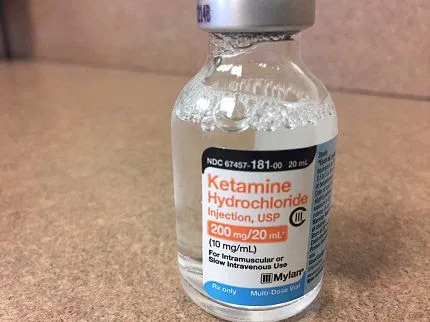
- Ketamine
- Dextromethorphan
Empathogens / entactogens
These emphasize emotional openness and social connection.
Example:
Brief history
Psychedelics have roots in:
- Indigenous ceremonial traditions across parts of the Americas and elsewhere
- Mid-20th century psychiatric research
- Counterculture movements in the 1960s
- A renewed wave of scientific research beginning in the 2000s
How psychedelics affect the brain
Research suggests psychedelics may:
- Increase communication between brain networks that are normally more separated
- Alter sensory filtering
- Affect self-referential processing
- Change emotional processing and memory integration
Scientists are actively studying mechanisms involving serotonin signaling, network connectivity, and neuroplasticity.
Current research areas
Researchers are studying psychedelics for possible roles in:
- Depression
- Anxiety related to serious illness
- Trauma-related conditions
- Substance use disorders
- End-of-life distress
Interest has grown, but many treatments remain experimental or tightly regulated depending on country and clinical setting.
Potential positive experiences reported by users
Some people report:
- Increased introspection
- Emotional breakthroughs
- Feelings of connectedness
- Changes in perspective
- Spiritual or meaningful experiences
These reports are subjective and vary widely.
Risks and downsides
Important risks include:
- Panic, fear, or overwhelming experiences
- Confusion or impaired judgment
- Triggering or worsening certain mental health conditions
- Dangerous behavior while intoxicated
- Persistent psychological distress in some cases
- Unknown purity or contents in unregulated markets
People with personal or family histories involving psychosis may face elevated risks.
Set, setting, and context
Researchers and clinicians often emphasize:
- Psychological state before the experience
- Physical and social environment
- Expectations and preparation
- Support systems afterward
These factors can strongly influence outcomes.
Legal status
Legal status differs substantially across countries and regions:
- Some substances remain prohibited
- Some have limited medical pathways
- Some jurisdictions have decriminalized or created exceptions
Ongoing debates
Current debates include:
- Medicalization vs traditional/community use
- Commercialization
- Accessibility and equity
- Research quality
- Long-term safety
If you want, I can also go deeper into the neuroscience, history, therapeutic research, cultural traditions, risks, or differences between specific psychedelics.